IT, short for Information Technology, is the system of technologies built on computers, networks and software for collecting, storing, processing, transmitting and applying information. From checking the weather on your phone in the morning, to a subway gate validating a transit code, to companies placing orders, banks clearing payments and hospitals retrieving medical records — IT underpins all of it.
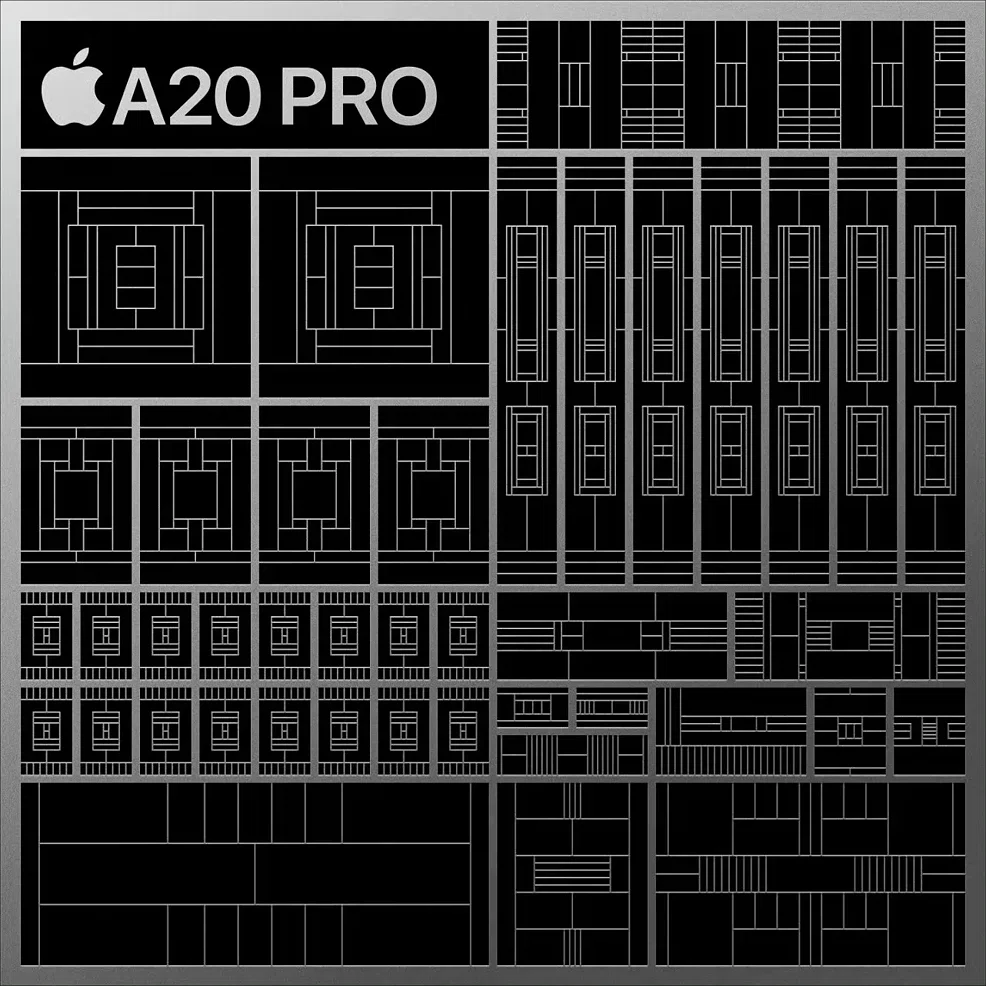
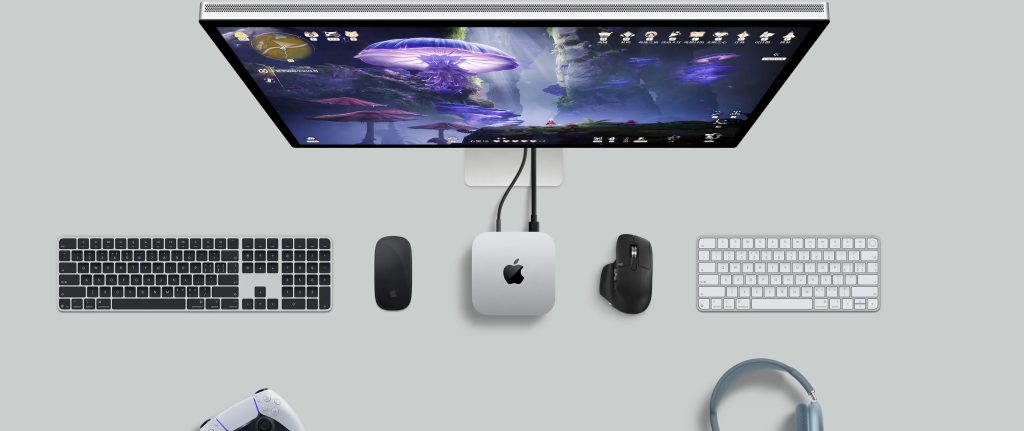
The core of IT can be summed up in four parts: hardware, software, networks and data. Hardware is the physical foundation, including servers, endpoints and storage. Software carries instructions and logic, from operating systems to applications. Networks connect scattered devices into a communicating whole through protocols. Data is what the system processes, and one of today’s most valuable assets. Only when the four work together can information be produced, moved and used efficiently.
IT has passed through several stages: mainframes first brought computing to organisations; personal computers carried computing power into homes and offices; the internet dissolved geographic boundaries; mobile internet made connectivity ubiquitous; and cloud computing turned compute into an on-demand resource like water and electricity. Today artificial intelligence is pushing IT from “executing instructions” to “supporting judgement”, another major shift.
The value of IT is not only technical but in how it changes collaboration. It compresses communication costs, making remote work, online education and cross-border commerce normal; it improves decisions by making data observable and analysable in real time. At the same time it raises new questions — data security and privacy, system reliability, the digital divide and technology’s effect on people — that all deserve serious attention.
For individuals, understanding IT does not start with writing code. Knowing how information flows through systems, why data matters and basic security awareness is enough to act more confidently in a digital society. IT is a tool; the people who use it ultimately decide its direction.